

Baby’s First Teeth: 3 Tips for a Lifetime of Good Oral Health

As a tired parent with a teething baby, that first tiny, hard, white bump in the gums is a rite of passage. Of course, there are still 19 more to follow. These baby teeth, or as we call them here at [practice_name], primary teeth, are not just placeholders for permanent teeth—they are the foundation of good oral health for life. They help with developing speech and healthy chewing, so it’s important to take good care of them. Here are three tips from your Victorville, CA pediatric dentist for starting your baby on the road to healthy teeth:

1. How to Brush Your Baby’s Teeth

Even before the first primary tooth erupts, get into the habit of wiping your baby’s gums down every morning and every night before bed. Use a clean, wet washcloth and gently rub the gums. This gets your baby used to the habit early, and using a cool washcloth can provide some relief from teething discomfort. Once your baby’s first tooth erupts, use a soft-bristled baby toothbrush and smear it with just a tiny bit of toothpaste (about the size of a rice grain). Then gently brush the entire exposed surface of the tooth.

Pro Tip for Preventing Cavities in Baby Teeth

Don’t get into the habit of sending your baby to bed with a bottle. Milk, juices, and formula all have sugars that can eat away at the tooth enamel overnight.

2. When to Add Fluoride

You can add fluoride to your child’s diet from 6 months. This can come in the form of a sippy cup filled with fluoridated tap water, about the same time you start them on solid foods. Every baby is different, so if you have questions, contact our pediatric dentist in Victorville, CA about your child’s needs.

3. When to Schedule Baby’s First Dental Appointment

The best rule of thumb here is to schedule your baby’s first dental appointment within the first six months after the first tooth erupts from the gums.

See the Pediatric Dentist Victorville Parents Go to for Healthy Baby Teeth

Parents have so many questions about baby teeth, and that’s a good thing. Here at [practice_name], we are excited to help you answer all of those questions and set your child on the path to a lifetime of great oral health! Schedule your child’s appointment today.

When Teeth Come in Crooked: What Can be Done

Parents often notice that when their child’s teeth start to appear, they don’t always line up neatly. Some lean in, some turn outward, and a few may overlap. At first glance it can be unsettling, but crooked teeth in children are actually quite common. The important part is figuring out what’s behind the issue and when action is needed by your child’s pediatric dentist in Victorville, CA.

Why Teeth Don’t Always Line Up

There are a handful of reasons teeth grow in unevenly. Genetics is a big one—if mom or dad had crowded teeth, there’s a good chance their child may, too. Habits like thumb-sucking or extended pacifier use can also nudge teeth out of position. Another frequent cause is space. If the jaw is small, permanent teeth may not have enough room to come in straight.

Keeping an Eye on Growth

Regular pediatric dental visits matter because they let professionals track how teeth and jaws are developing. A crooked tooth at age six doesn’t automatically spell trouble, but if the dentist notices crowding or a bite that looks off, they may suggest monitoring it more closely or planning for early intervention.

Treatment Options

Sometimes, as children grow, their teeth shift into a more natural position without help. Other times, orthodontics in Victorville, CA comes into play. Braces or clear aligners can gradually guide teeth into better alignment, while certain appliances may even be used earlier to create space for permanent teeth. Deciding when to start depends on the child’s age, dental development, and specific needs.

Crooked teeth don’t have to mean a lifetime of problems. With consistent checkups and the right plan, children can move from a slightly uneven smile to one that’s both healthy and properly aligned.

How Food Choices Affect Oral Health

Dental cleanings in Victorville CA are an important part of your child’s oral health. However, the habits your child develops at home play a much larger role in determining whether your child will develop tooth decay and other common oral health issues. Your child looks to you as an example when it comes to brushing, flossing, and consuming a healthy diet.

The American Dental Association Weights in on Diet and Oral Health

According to the ADA, nutrition and diet play a direct role in the health of your child’s teeth and gums. The foods and beverages your child consumes affect tissues in the mouth, and the consumption of sugar has a direct relationship to tooth decay.

The ADA also states that regular intake of acidic foods and drinks erodes the enamel of your child’s teeth. The amount of sugary and acidic foods and beverages your child consumes matters just as much as the frequency when it comes to the development of tooth decay.

Good and Bad Food Options for Oral Health

Dr. A. Paul S. Bell understands that getting children to eat healthily can be a never-ending battle. You cannot always control what your child consumes outside the home, but you can choose the meals and snacks available to them inside your home.

Some of the best options you can offer your child to promote good oral health include aged cheeses, milk, chicken, nuts, and crunchy vegetables. Water is the ideal beverage, especially since it contains fluoride.

Foods you want to limit or avoid in your home include candy, cookies, cake, bread, dried fruit, bananas, granola bars, and French fries. These foods all have large amounts of carbohydrates and sugar that break down in your child’s mouth.

We would be happy to provide additional nutrition guidance during your child’s dental cleaning in Victorville CA.
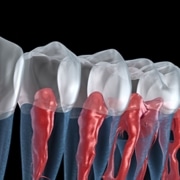
Endodontic Treatment – How Can it Help Me?

Oral pain is one of the most important signs of distress that your body can offer. Dental care is extremely important not just to eliminate bad breath and cavities but to preserve your overall health.

The professional team at A Paul S Bell, DDS Inc. is proud to serve the local community with premium dental care services, including endodontics, which goes a step beyond to best care for your teeth, gums, and health.

What are Endodontics?

Endodontics is an important aspect of your oral care, as it has to do with the inner workings of your teeth and their structure. The most common endodontic treatment is root canal treatment, which is not to be confused with a common procedure for root canal extraction. Root canal treatment can alleviate pain and even alleviate pain to preserve as much of your tooth as possible without removing it.

Your natural teeth are much stronger than any artificial teeth, even with current advancements, so the best dentists will always find a way to save as much of it as possible.

What Can I Expect From an Endodontic Appointment?

Dental care teams that are trained in endodontic treatment are highly specialized, so you can be confident you are getting the best care. Here are some things you can expect from your visit:

Comprehensive Examination 

The team will take comprehensive images, including digital X-rays, to analyze the situation and identify the extent of the problems.

Painless Anesthesia and Access Opening

If required, the dentist will apply local anesthesia to make the entire procedure painless. Your dental care professional will create a small opening to access the pulp chamber.

Pulp Removal and Cleaning

Your dentist will remove the entirety of the infection and damage and clean the inside thoroughly to ensure that the infection doesn’t return. Remember to follow aftercare instructions.

Your Local Quality Dentist

Endodontic care is a large part of your overall health, and if you are experiencing tooth pain – it’s time to see a professional. During your next appointment with the adept team at A Paul S Bell, DDS Inc., you can rest assured that you are getting the best care and guidance you and your family deserve.

3 Important Questions to Ask Your Dentist at the Next Visit

Every time you visit your dentist in Victorville CA, you have an opportunity to ask your dentist questions that can help you take care of your teeth at home. Knowing which questions to ask is key. Below are some questions to ask your dentist the next time you come in for a general cleaning or a checkup.

1. Is My Oral Hygiene Routine Enough?

You should be brushing your teeth twice daily, and flossing your teeth once per day. It’s important to brush your teeth properly and to floss properly as well. Your dentist can tell you whether your tooth brushing and flossing efforts are paying off by examining your teeth.

If your oral hygiene routine isn’t enough, they’ll make suggestions for change. If you are brushing and flossing as often as you should be, it may be that you’ll need to make changes to how you brush and floss. Ask your dentist about your oral hygiene habits and get suggestions.

2. When Should I Come Back for My Next Appointment?

It’s common for dental patients to come in for dentist checkups in Modesto every six months. However, your dentist may suggest a different timeline based on the condition of your teeth and oral hygiene. Find out from your dentist when you should come back for your next appointment.

3. Am I At Risk for Any Oral Hygiene Conditions?

Depending on your age, whether you smoke, your physical health and other traits, you could be at elevated risk for certain oral health conditions. Knowing your risk can help you take care of yourself. Ask your dentist what conditions you should be watching for, what the signs are, and what you can do to prevent these conditions.

© Copyright - A. Paul S. Bell DDS - Sitemap